Walking should not feel dangerous. Whether you are crossing a downtown intersection, walking through a neighborhood, or making your way through a parking lot, you have legal rights as a pedestrian in Texas. At the same time, drivers also have responsibilities under Texas pedestrian right of way laws to stay alert, yield when required, and avoid preventable accidents.
Unfortunately, pedestrian accidents continue to happen across Texas every year. Many of these incidents leave victims with serious injuries, mounting medical bills, lost income, and long-term physical limitations. Questions about fault often arise immediately after an accident, especially when issues like jaywalking, traffic signals, or failure to yield right of way to a pedestrian are
involved.
If you or someone you love has been injured in a pedestrian accident, speaking with an attorney early may help protect your ability to pursue compensation. The team at Guzman Law Firm represents injured Texans who need answers after serious accidents.
If you were hit by a vehicle while walking, contact Guzman Law Firm online, or call us at (956) 516-7198 to discuss your legal options.
Do pedestrians always legally have the right of way?
One of the biggest misconceptions about Texas traffic law is that pedestrians always have the right of way. In reality, the answer depends on the circumstances.
Texas law requires both drivers and pedestrians to follow specific traffic rules. Sometimes the pedestrian has the right of way, and sometimes the driver does.
At marked crosswalksPedestrians and motorists alike have a responsibility to maintain safe driving and walking conditions. If you were injured as a pedestrian, call Guzman Law Firm.
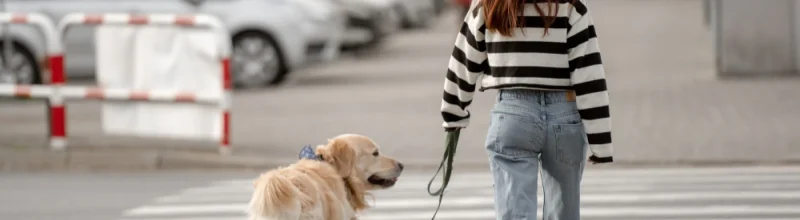
Pedestrians generally have the right of way when crossing the street inside a marked crosswalk and following applicable traffic signals. Drivers approaching the crosswalk are expected to slow down, stop when necessary, and allow the pedestrian to cross safely.
This is especially true when there is no traffic signal controlling the intersection. If a pedestrian enters a marked crosswalk lawfully, motorists must yield.
Drivers turning left or right at intersections must also yield to pedestrians crossing legally within the crosswalk. Turning vehicles are a common cause of pedestrian accidents because drivers often focus on other cars instead of people crossing the street.
At unmarked crosswalks
Texas law also recognizes unmarked crosswalks at many intersections. An unmarked crosswalk exists where sidewalks or pedestrian pathways continue across the street, even if painted lines are not present.
Pedestrians may still have the right of way in these situations. Drivers cannot assume they are free to continue through the intersection simply because there are no painted crosswalk markings.
At traffic signals
Traffic control devices matter. Pedestrians who cross with a “walk” signal generally have the right of way. Drivers must wait for the pedestrian to clear the roadway before proceeding.
However, pedestrians who cross against a “Don’t Walk” signal may be violating traffic laws themselves. Crossing against the signal can complicate liability issues if an accident occurs.
That said, even when a pedestrian violates a signal, drivers still have a duty to exercise reasonable care. A driver cannot intentionally ignore someone in the roadway simply because the pedestrian made a mistake.
When pedestrians do NOT have the right of way
Pedestrians do not automatically have the right of way everywhere. For example:
- Crossing in the middle of the street outside a designated crossing area (commonly known as jaywalking) may place responsibility on the pedestrian.
- Pedestrians crossing outside a marked or unmarked crosswalk must yield to vehicles already traveling on the roadway.
- Suddenly stepping into traffic when vehicles do not have enough time to stop safely. Even if a driver is speeding or distracted, sudden movement into traffic can become a major issue during an injury claim.
Ultimately, fault in pedestrian accidents often depends on the exact facts of the incident. Both parties may share some degree of responsibility under Texas comparative negligence laws.
What are the rules for pedestrians on the road?
Pedestrians are not exempt from traffic laws. Texas law outlines several rules designed to keep people safe while walking near roadways.
On the sidewalk
When sidewalks are available, pedestrians are generally expected to use them instead of walking in the street.
Walking on sidewalks helps separate foot traffic from moving vehicles and reduces the likelihood of serious collisions. Pedestrians should still remain alert for driveways, parking lot entrances, and turning vehicles that may cross the sidewalk unexpectedly.
On the shoulder
Not every Texas road has sidewalks. In rural areas or certain suburban communities, pedestrians may have no choice but to walk along the roadway.
Even if sidewalks are not available, when possible, pedestrians should walk on the left side of the roadway or shoulder facing oncoming traffic. Facing traffic gives pedestrians a better chance to react to approaching vehicles.
Pedestrians should stay as far away from traffic lanes as possible and avoid distractions like texting or wearing noise-canceling headphones while walking near vehicles.
What happens if a car hits a pedestrian?
Being hit by a car can be physically, emotionally, and financially devastating. Pedestrian injuries often involve broken bones, traumatic brain injuries, spinal cord damage, or other life-changing conditions.
The moments immediately after the accident are important.
What to do immediately after a pedestrian accident
- If possible, call 911 immediately after the collision. Emergency responders can document the scene, arrange medical treatment, and create an official accident report.
- Even if injuries do not appear severe right away, seeking medical attention is important. Some injuries, including head trauma and internal bleeding, may not show symptoms immediately.
- Photographs, witness information, and surveillance footage can also become critical evidence later.
- Victims should avoid discussing fault extensively at the scene or giving recorded statements to insurance companies before speaking with legal counsel.
How jaywalking and failure-to-yield can affect claims
Insurance companies often try to shift blame onto pedestrians after an accident. They may argue that the pedestrian crossed illegally, ignored traffic signals, or entered traffic unexpectedly.
Texas follows a modified comparative fault system. This means an injured pedestrian may still recover compensation even if they were partially responsible for the accident, as long as they were not more than 50% at fault.
For example, a pedestrian may have crossed outside a crosswalk while the driver was simultaneously speeding, distracted, or failed to brake in time. In these cases, both parties’ actions may be examined.
Drivers who fail to yield at crosswalks, ignore traffic signals, drive while distracted, or operate vehicles under the influence may still bear substantial liability for the crash.
Why early representation matters
Pedestrian accident cases can become complicated quickly. Insurance companies often begin investigating immediately and may look for ways to minimize payouts. Early legal representation can help preserve evidence, obtain witness statements, review surveillance footage, and protect victims from unfair insurance tactics.
An attorney may also help calculate damages involving medical expenses, lost wages, rehabilitation costs, pain and suffering, and long-term disability. The sooner an injured pedestrian speaks with counsel, the better positioned they may be to build a strong claim.
Injured on the street? Know your rights: call Guzman Law Firm
Pedestrian accidents can leave victims facing painful injuries, financial stress, and uncertainty about what comes next. Whether the accident involved a distracted driver, failure to yield, speeding, or disputed right of way issues, understanding your legal rights matters.
Texas pedestrian right of way laws can be complex, especially when insurance companies attempt to blame the injured person for the collision. Having legal representation early in the process may make a significant difference when pursuing compensation.
If you or a loved one was injured in a pedestrian accident, Guzman Law Firm is ready to help you understand your options and fight for the recovery you deserve. Contact Guzman Law Firm today to schedule a consultation or call us at (956) 516-7198.
More Helpful Articles by Guzman Law Firm:
- What Happens if You Are Injured in an Uber Accident?
- Injured by a Defective Product? These Are Your Rights.
- When to Call a Laredo Premises Liability Attorney
- Choosing Between a Federal Public Defender and a Private Defense Attorney
- When to Call a Laredo Motorcycle Accident Lawyer