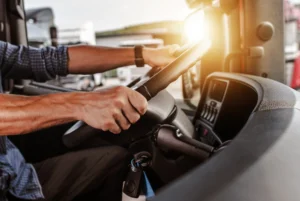

An Uber accident can leave you dealing with far more than vehicle damage. Whether you were a passenger in the rideshare, the driver of another vehicle, a pedestrian, or even the Uber driver yourself, the aftermath can quickly become complicated. Unlike a standard car accident, rideshare crashes often involve multiple layers of insurance coverage, questions about whether the driver was logged into the app, and disputes over who is financially responsible for your injuries.
If you were injured in an Uber accident, the hours and days following the crash often determine the strength of any future claim. Medical records, police documentation, witness statements, and app data can all become important pieces of evidence.
Speak with an Uber accident attorney from Guzman Law Firm as early as possible to protect your rights and position your case for a stronger outcome.
Injured in an Uber accident: the first 24 hours
What happens if your Uber crashes and you get hurt? The first twenty-four hours after an Uber accident are critical. What you do during this period can affect both your health and your ability to recover compensation later.
1. Seek medical attention immediately
Your first priority should always be your physical well-being. Even if you feel “fine” immediately after the accident, many injuries do not present symptoms right away. Whiplash, concussions, internal bleeding, soft tissue injuries, and back injuries may take hours or even days to fully appear.
If emergency medical personnel arrive at the scene, accept evaluation and treatment. If your injuries do not appear urgent, visit an urgent care center, emergency room, or your primary care physician as soon as possible.
Medical records created within the first 24 hours are often some of the most important evidence in a personal injury claim. Insurance companies frequently argue that delayed treatment means the injury was minor or unrelated to the crash.
2. Gather evidence at the scene
If it is safe to do so, collect as much evidence as possible before leaving the scene. This includes:
- Photos of all vehicles involved
- Damage to the vehicles
- Skid marks and road conditions
- Traffic signals or signs
- Visible injuries
- Screenshots of the Uber ride details in the app
- The Uber driver’s name and vehicle information
- Names and contact information of witnesses
If you were the passenger, take screenshots showing the ride status, route, pickup and drop-off details, and trip receipt. This information may later help establish whether the driver was actively engaged in a ride at the time of the accident.
3. Call the police and file a report
A police report is one of the foundational documents in any Uber accident claim. Officers typically document the following:
- The date, time, and location of the accident
- Statements from drivers and witnesses
- Visible injuries
- Vehicle damage
- Initial assessment of fault
- Any citations issued
If you are physically able, make sure your version of events is clearly communicated to the responding officer. If the other driver was operating as an Uber driver, mention that fact specifically.
4. Report the crash through the Uber app
Passengers and drivers can usually report an accident directly through the Uber app. This creates an internal record with the rideshare company and may trigger communication from Uber’s insurance representatives.
However, it is important to be cautious when describing the accident. Stick to factual details and avoid speculating about fault or minimizing your injuries.
5. Expect contact from insurance companies
In many cases, you may receive calls from one or more insurance companies within the first day. These may include:
- The Uber driver’s personal insurer
- Uber’s rideshare insurance carrier
- Another motorist’s insurance company
- Your own insurer
They may ask for a recorded statement. It is usually best not to give one before speaking with an attorney. Insurance adjusters are trained to gather statements that can later be used to reduce or deny claims.
Is Uber liable for accidents?
Liability in an Uber accident depends heavily on the driver’s status at the time of the crash.
| When the driver was offline |
| If the Uber driver was not logged into the app, the accident is generally treated like a normal car accident. In this situation, the driver’s personal auto insurance is typically the primary source of coverage. Uber itself may have little to no direct involvement if the app was off and the driver was not available for ride requests. |
| When the driver was online, but waiting for a ride |
| If the driver was logged into the app and waiting to accept a trip, a different layer of coverage may apply. In many rideshare cases, Uber maintains contingent liability coverage during this phase. This distinction is important because the available coverage limits may be significantly different from the driver’s personal policy. |
| When the driver had accepted a ride or was transporting a passenger |
| This is often the most significant liability scenario. If the driver had accepted a ride request, was en route to pick up a passenger, or had a passenger in the vehicle, Uber’s commercial insurance policy may apply. This can dramatically increase the pool of compensation available for medical bills, lost wages, pain and suffering, and future treatment. This is one reason rideshare accident claims are often more complex than ordinary car wreck cases. |
It’s worth noting that Texas follows a modified comparative negligence rule, meaning an injured person may still recover damages as long as they are not more than 50% responsible for the accident. However, any compensation awarded is reduced by their percentage of fault.
For example, if you are found 20% responsible for the crash and your damages total $100,000, your recovery may be reduced to $80,000. This rule can become especially important in multi-vehicle rideshare accidents where insurers attempt to shift blame among the Uber driver, another motorist, and the injured party.
Navigating Uber accident claims
Uber accident claims often involve multiple investigations happening at once. Your attorney may need to review:
- Police reports
- Dashcam footage
- Surveillance video
- Witness statements
- App activity logs
- GPS and trip records
- Insurance policy terms
- Driver history and background information
Determining whether the driver was online, between trips, or actively transporting a passenger can be central to identifying which insurance coverage applies.
Because these records may be controlled by Uber and its insurers, having someone who knows how to request and preserve this evidence can make a substantial difference.
Why you should call an Uber accident attorney
Not every personal injury lawyer is equally equipped to handle rideshare litigation. The best attorney for Uber and Lyft accident claims in Texas understands that these cases sit at the intersection of personal injury law, insurance disputes, and corporate liability.
What often sets a rideshare-focused attorney apart includes:
- Familiarity with Uber’s layered insurance structure
- Knowledge of Texas negligence laws
- Experience dealing with corporate insurers
- Ability to preserve electronic app data
- Experience valuing long-term medical damages
- Skill in handling comparative fault arguments
Insurance companies often move quickly after an accident. Their goal is to resolve claims for as little as possible before the full extent of injuries becomes clear. An attorney acts as your advocate by:
- Handling insurer communications
- Protecting you from damaging recorded statements
- Calculating the full value of your claim
- Negotiating settlement demands
- Preparing the case for trial if necessary
This is especially important when liability may extend beyond the driver to Uber’s insurance coverage.
Injured in an Uber? Get experience on your side. Call Guzman Law Firm.
An Uber accident can leave you facing medical bills, missed work, physical pain, and uncertainty about who is responsible. The first twenty-four hours matter, and so does the legal strategy that follows.
Whether you were a passenger, another driver, or a pedestrian injured in a rideshare collision, Javier Guzman and his team at Guzman Law Firm can help investigate the accident, identify all available insurance coverage, and fight for the compensation you deserve.
If you have been injured in an Uber accident in Texas, call Guzman Law Firm today at (956) 516-7198 or contact us online to discuss your options and put experienced advocacy on your side.
More Helpful Articles by Guzman Law Firm:
- When to Call a Railroad Accident Lawyer in Laredo
- How to Find the Best Lawyer for Catastrophic Injuries in Texas
- Who to Hire: Private Criminal Lawyer vs. Public Defender
- Federal Charges for Drugs: What Prosecutors Look For
- What is Felony Drunk Driving in Texas?